天天影视 - 最快更新,真心免费 天天影视 - 最快更新,真心免费
收藏
8.8
网友评分
  • 很差
  • 较差
  • 还行
  • 推荐
  • 力荐
396次评分
  • 很差
  • 较差
  • 还行
  • 推荐
  • 力荐
扫描观看

扫描一扫app播放

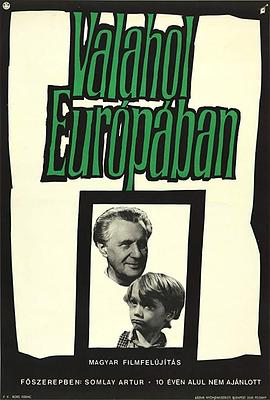
Somewhere in the remote region, the war ends. In the midst of ruined cities and houses in the streets, in rural hamlets, everywhere where people still live, are children who have lost their homes and parents. Abandoned, hungry, and in rags, defenseless and humiliated, they wander through the world. Hunger drives them. Little streams of orphans merge into a river which rushes forward and submerges everything in its path. The children do not know any feeling; they know only the world of their enemies. They fight, steal, struggle for a mouthful of food, and violence is merely a means to get it. A gang led by Cahoun finds a refuge in an abandoned castle and encounters an old composer who has voluntarily retired into solitude from a world of hatred, treason, and crime. How can they find a common ground, how can they become mutual friends The castle becomes their hiding place but possibly it will also be their first home which they may organize and must defend. But even for this, the price will be very high.  To this simple story, the journalist, writer, poet, scriptwriter, movie director, and film theoretician Béla Balázs applied many years of experience. He and the director Géza Radványi created a work which opened a new postwar chapter in Hungarian film. Surprisingly, this film has not lost any of its impact over the years, especially on a profound philosophical level. That is to say, it is not merely a movie about war; it is not important in what location and in what period of time it takes place. It is a story outside of time about the joyless fate of children who pay dearly for the cruel war games of adults.  At the time it was premiered, the movie was enthusiastically received by the critics. The main roles were taken by streetwise boys of a children's group who created their roles improvisationally in close contact with a few professional actors, and in the children's acting their own fresh experience of war's turmoil appears to be reflected. At the same time, their performance fits admirably into the mosaic of a very complex movie language. Balázs's influence revealed itself, above all, in the introductory sequences an air raid on an amusement park, seen in a montage of dramatic situations evoking the last spasms of war, where, undoubtedly, we discern the influence of classical Soviet cinematography. Shooting, the boy's escape, the locomotive's wheels, the shadows of soldiers with submachine guns, the sound of a whistle—the images are linked together in abrupt sequences in which varying shots and expressive sharp sounds are emphasized. A perfectly planned screenplay avoided all elements of sentimentality, time-worn stereotypes of wronged children, romanticism and cheap simplification. The authors succeeded in bridging the perilous dramatic abyss of the metamorphosis of a children's community. Their telling of the story (the scene of pillaging, the assault on the castle, etc) independently introduced some neorealist elements which, at that time, were being propagated in Italy by De Sica, Rossellini, and other film artists. The rebukes of contemporary critics, who called attention to formalism for its own sake have been forgotten. The masterly art of cameraman Barnabás Hegyi gives vitality to the poetic images. His angle shots of the children, his composition of scenes in the castle interior, are a living document of the times, and underline the atmosphere and the characters of the protagonists. The success of the picture was also enhanced by the musical art of composer Dénes Buday who, in tense situations, inserted the theme of the Marseilaise into the movie's structure, as a motive of community unification, as an expression of friendship and the possibility of understanding.  Valahol Europaban is the first significant postwar Hungarian film. It originated in a relaxed atmosphere, replete with joy and euphoria, and it includes these elements in order to demonstrate the strength of humanism, tolerance, and friendship. It represents a general condemnation of war anywhere in the world, in any form.
展开

无模块

资源列表

相关明星

相关影片

最后的水源
暂无简介,敬请期待
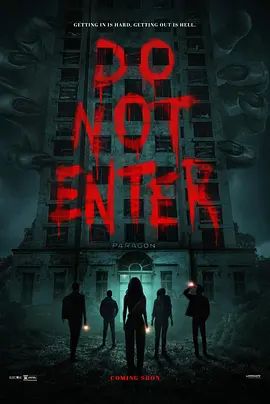
非请勿进 Do Not Enter
阿德莱恩·鲁道夫 , 弗兰切丝卡·雷阿莱 , 尼古拉斯·汉密尔顿 , 杰克·曼利 , 哈维尔·博泰特 , 劳伦斯·欧弗林 , 布伦南·凯尔·库克 , 凯·卡斯特 , 沙恩·保罗·麦吉
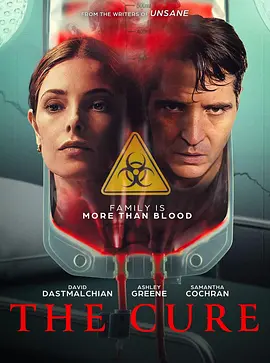
解药 The Cure
萨曼莎·科克伦 , 大卫·达斯马齐连 , 阿什丽·格林尼 , 西德尼·泰勒 , 泰勒·劳伦斯·格雷 , 亚历克斯·维多夫 , 玛丽莎·埃切维里亚 , 邦尼·莱文 , 迪伦·弗拉施纳 , Emma Hoover , Mason Miller , 瑞安·马奇 , Kelly Cole , Phylicia Wissa , Elle Haymond , Kyle O'Gorman , 约书亚·詹姆斯·贝纳德 , 安德烈·高尔 , Scott Dean , Sarah Tromley
篮球饭票
西蒙妮·奥古斯塔斯 , Geno Auriemma , Amari Bailey , Janiah Barker , 昌西·比卢普斯 , 帕特里克·尤因 , Flau'jae , Bob Geoghan , Blake Griffin , 格兰特·希尔 , 斯库普·杰克逊 , Mike Jarvis , Josiah Johnson , Dereck Lively II , 特雷西·麦克格雷迪 , 阿朗佐·莫宁 , Chris Mullin , 坎迪斯・帕克 , 保罗·皮尔斯 ,
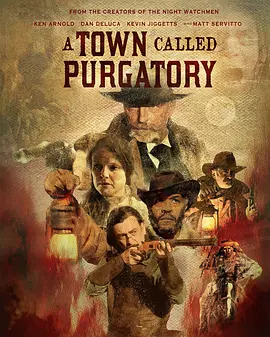
炼狱之地
马特·索维托 , 杰夫·里基茨 , 肯·阿诺德 , 丹·德鲁卡 , 扎克·史蒂菲 , 凯文·吉格茨 , 山姆·科泽卢赫 , 玛丽亚·洛恩 , 克劳迪乌斯·冯·斯托尔茨曼 , 弗洛伦蒂诺·格雷戈里奥 , 奥利弗·卡西斯克 , 莫妮卡·格雷戈里奥 , 凯特·希门尼斯 , 马尔科·瓦伦塔
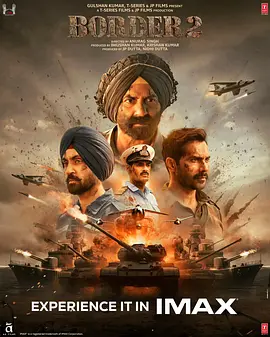
边境战争2
瓦伦·达万 , 桑尼·戴尔 , 迪尔吉特·多桑 , 阿汗·谢迪 , Nitish Nirmal , Vinali Bhatnagar , Sai Dibyajyoti Behera , Aman Mishra Dz , Dj Sarvam Music
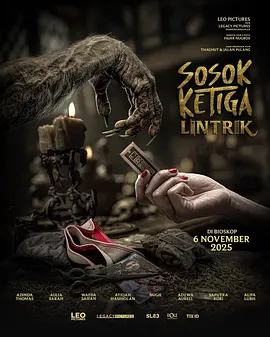
邪咒迷情
阿丁达·托马斯 , Wafda Saifan Lubis , Aulia Sarah
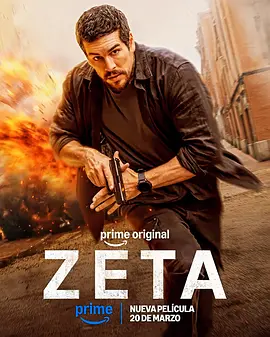
谍杀风暴
马里奥·卡萨斯 , 玛蕾拉·嘉里加 , 路易斯·扎赫拉 , 诺拉·纳瓦斯 , 丹尼·德拉托雷
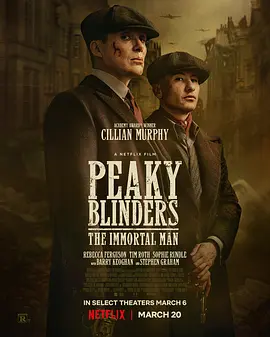
浴血黑帮:不朽传奇
基里安·墨菲 , 丽贝卡·弗格森 , 蒂姆·罗斯 , 苏菲·兰朵 , 奈德·丹内利 , 派克·李 , 伊恩·佩克 , 杰伊·利库戈 , 巴里·基奥恩 , 斯蒂芬·格拉汉姆 , 萨米·乔纳斯·希尼 , 鲁比·阿什伯恩·瑟金斯 , 山姆·贝克-琼斯 , 卡斯珀·希尔顿-希勒 , 马丁·安格鲍尔 , 马克·威尔金森 , 托马斯·阿诺德 , 安迪·M·米利根 , 罗利·威尔逊 , 马克斯·凯文汉姆
扫恶
潘斌龙,包贝尔,赵润南,克拉拉,周大勇,郭子恒,侯浩然,于柏林,释小龙,汤镇业,九孔,常铖
电影版 毛骨悚然撞鬼经〜奇诡的户型〜
阪本 , みなみかわ , 木村有希 , 木村友美 , 安野澄 , 栗田真和 , 坂口千晴 , 渡辺裕也 , 大山真绘子 , 冴木柚叶 , 福田航 , 東杏璃
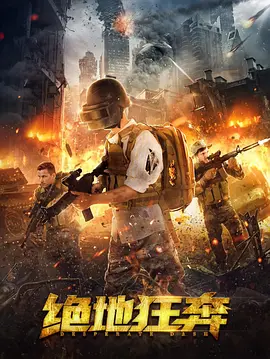
绝地狂奔
袁宗轩,沈芷萱,曹安迪
骗爱大逃亡
奥斯卡·卡萨斯 , 安娜·贾拉 , 路易斯·扎赫拉 , Antonio Pagudo , Miguel de Lira , Mario Marzo , 安娜·米兰
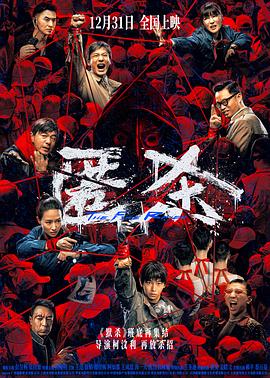
匿杀
彭昱畅,张钧甯,黄晓明,王迅,徐娇,邢佳栋,阿如那,王成思,海一天,沈浩,侯咏薰,王圣迪,黄奕,姜皓文,郝平,蔡亘晏,高长远,张磊,衣云鹤
  • 片名:欧洲的某个地方
  • 状态:HD中字
  • 主演:Artúr Somlay Miklós Gábor Zsuzsa Bánki 
  • 导演:Radványi Géza 
  • 年份:1948
  • 地区:其它
  • 类型:剧情 
  • 频道:内详
  • 上映:未知
  • 语言:其它
  • 更新:2026-03-19 08:09
  • 简介:Somewhere in the remote region, the war ends. In the midst of ruined cities and houses in the streets, in rural hamlets, everywhere where people still live, are children who have lost their homes and parents. Abandoned, hungry, and in rags, defenseless and humiliated, they wander through the world. Hunger drives them. Little streams of orphans merge into a river which rushes forward and submerges everything in its path. The children do not know any feeling; they know only the world of their enemies. They fight, steal, struggle for a mouthful of food, and violence is merely a means to get it. A gang led by Cahoun finds a refuge in an abandoned castle and encounters an old composer who has voluntarily retired into solitude from a world of hatred, treason, and crime. How can they find a common ground, how can they become mutual friends The castle becomes their hiding place but possibly it will also be their first home which they may organize and must defend. But even for this, the price will be very high.  To this simple story, the journalist, writer, poet, scriptwriter, movie director, and film theoretician Béla Balázs applied many years of experience. He and the director Géza Radványi created a work which opened a new postwar chapter in Hungarian film. Surprisingly, this film has not lost any of its impact over the years, especially on a profound philosophical level. That is to say, it is not merely a movie about war; it is not important in what location and in what period of time it takes place. It is a story outside of time about the joyless fate of children who pay dearly for the cruel war games of adults.  At the time it was premiered, the movie was enthusiastically received by the critics. The main roles were taken by streetwise boys of a children's group who created their roles improvisationally in close contact with a few professional actors, and in the children's acting their own fresh experience of war's turmoil appears to be reflected. At the same time, their performance fits admirably into the mosaic of a very complex movie language. Balázs's influence revealed itself, above all, in the introductory sequences an air raid on an amusement park, seen in a montage of dramatic situations evoking the last spasms of war, where, undoubtedly, we discern the influence of classical Soviet cinematography. Shooting, the boy's escape, the locomotive's wheels, the shadows of soldiers with submachine guns, the sound of a whistle—the images are linked together in abrupt sequences in which varying shots and expressive sharp sounds are emphasized. A perfectly planned screenplay avoided all elements of sentimentality, time-worn stereotypes of wronged children, romanticism and cheap simplification. The authors succeeded in bridging the perilous dramatic abyss of the metamorphosis of a children's community. Their telling of the story (the scene of pillaging, the assault on the castle, etc) independently introduced some neorealist elements which, at that time, were being propagated in Italy by De Sica, Rossellini, and other film artists. The rebukes of contemporary critics, who called attention to formalism for its own sake have been forgotten. The masterly art of cameraman Barnabás Hegyi gives vitality to the poetic images. His angle shots of the children, his composition of scenes in the castle interior, are a living document of the times, and underline the atmosphere and the characters of the protagonists. The success of the picture was also enhanced by the musical art of composer Dénes Buday who, in tense situations, inserted the theme of the Marseilaise into the movie's structure, as a motive of community unification, as an expression of friendship and the possibility of understanding.  Valahol Europaban is the first significant postwar Hungarian film. It originated in a relaxed atmosphere, replete with joy and euphoria, and it includes these elements in order to demonstrate the strength of humanism, tolerance, and friendship. It represents a general condemnation of war anywhere in the world, in any form.
公告

来自站长的叮嘱🤪

🎉 最快更新,真心免费,就选天天影视🚀

网址容易失效截屏保存网址,请记住回家的路

域名发布页:👉tt7k.app👈

搜索历史
删除
热门搜索
本地记录